
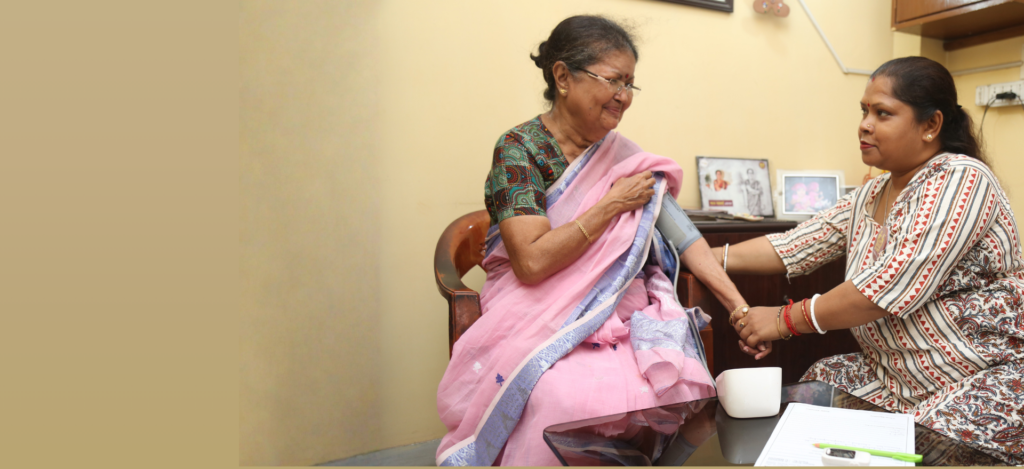
Home Safety for Elderly Parents
As parents grow older, their safety and comfort at home become increasingly important. Everyday activities such as walking across a room, taking a shower, climbing stairs or preparing meals can become challenging due to reduced mobility, balance issues or age-related health concerns. A home that once felt completely comfortable may gradually develop safety risks for senior citizens.
Creating a safe home environment for elderly parents does not always require major renovations. Simple improvements, such as installing grab bars, improving lighting, removing obstacles and arranging furniture properly, can significantly reduce the risk of accidents.
If you are wondering how to make a home safe for elderly parents, this room-by-room safety checklist will help you identify potential hazards and create a more comfortable living space for ageing family members.
Why Is Home Safety Important for Elderly People?
As people age, physical changes can affect their ability to move around independently. Poor eyesight, reduced muscle strength, joint stiffness and balance difficulties can increase the chances of slips, trips and falls.
A well-organised home can help elderly individuals:
- Reduce the risk of accidental falls and injuries.
- Maintain independence in everyday activities.
- Move comfortably between different rooms.
- Access essential items without unnecessary physical effort.
- Feel more confident and secure in their surroundings.
- Maintain a better quality of life.
Regularly checking the home environment is an important part of elderly care, particularly for seniors who live alone or spend several hours without family supervision.
Room-by-Room Home Safety Checklist for Elderly Parents
1. Living Room Safety: Create Clear Walking Spaces
The living room is often where elderly family members spend most of their time. Keeping this area organised can make everyday movement easier and safer.
Safety Checklist:
- Remove loose rugs, electrical wires and unnecessary objects from walking paths.
- Arrange furniture to create wider and unobstructed pathways.
- Choose stable chairs with armrests to make sitting and standing easier.
- Ensure sofas and chairs are at a comfortable height.
- Keep frequently used items within easy reach.
- Provide adequate lighting, especially near entrances and seating areas.
Avoid furniture with sharp edges where possible. Corner protectors can offer additional protection against accidental bumps.
2. Bedroom Safety: Make Resting and Moving Easier
A comfortable and accessible bedroom is essential for elderly parents. Seniors may need to get out of bed several times during the night, making proper lighting and convenient furniture placement particularly important.
Safety Checklist:
- Maintain a comfortable bed height for easy entry and exit.
- Install nightlights near the bed and along the route to the bathroom.
- Keep a telephone or emergency calling device within reach.
- Place frequently used medicines and personal belongings in accessible locations.
- Avoid clutter around the bed.
- Use non-slip flooring or secure carpets properly.
- Consider installing a bedside grab bar if additional support is needed.
A bedside lamp with an easily accessible switch can also help elderly individuals avoid walking through a dark room.
3. Bathroom Safety: Prevent Slips and Falls
Bathrooms are among the most important areas to assess when improving home safety for senior citizens. Wet floors, slippery tiles and difficulty getting in and out of the shower can create significant risks.
Safety Checklist:
- Install grab bars near the toilet and shower area.
- Use anti-slip mats inside and outside the bathroom.
- Consider a shower chair for seniors who have difficulty standing for long periods.
- Install a handheld showerhead for easier bathing.
- Ensure adequate lighting.
- Keep toiletries and towels within easy reach.
- Maintain dry floors and repair leaking taps.
- Consider a raised toilet seat if sitting down and standing up is difficult.
Avoid using towel racks or soap holders as support points. Properly installed grab bars provide more reliable assistance.
4. Kitchen Safety: Make Daily Cooking Activities Easier
Many elderly individuals prefer maintaining their independence by preparing their own meals. However, reaching high shelves, handling hot utensils and using kitchen appliances can sometimes become difficult.
Safety Checklist:
- Store frequently used utensils and groceries at waist level.
- Keep heavy cookware in easily accessible cabinets.
- Avoid storing essential items on high shelves.
- Ensure the kitchen floor remains clean and dry.
- Use appliances with simple controls and clearly visible settings.
- Keep knives and sharp objects safely stored.
- Check gas connections and electrical appliances regularly.
- Install adequate lighting near cooking and preparation areas.
If an elderly parent has memory difficulties, additional supervision while cooking may be necessary to reduce the risk of accidents.
5. Staircase Safety: Improve Stability and Visibility
Staircases can be particularly challenging for seniors with limited mobility, joint pain or balance difficulties. Proper support and visibility are essential to make stairways safer.
Safety Checklist:
- Install sturdy handrails on both sides of the staircase.
- Ensure stair edges are clearly visible.
- Provide sufficient lighting on every step.
- Remove loose objects and clutter from stairs.
- Repair damaged or uneven steps.
- Consider non-slip stair treads.
- Avoid carrying heavy objects while climbing stairs.
For seniors with significant mobility difficulties, limiting unnecessary stair use or considering a suitable alternative living arrangement on the ground floor may be helpful.
6. Entrance and Balcony Safety: Secure Outdoor Access
Entrances, balconies and outdoor areas should also be included in an elderly home safety assessment. Uneven surfaces, slippery floors and inadequate lighting can create unnecessary hazards.
Safety Checklist:
- Keep entrance pathways free from obstacles.
- Install handrails wherever steps are present.
- Ensure doorways are wide enough for walking aids if required.
- Use non-slip flooring in outdoor areas.
- Keep balconies properly secured with strong railings.
- Ensure outdoor lighting is sufficient.
- Remove loose wires, pots or objects from walking areas.
Balcony doors and entrances should be easy to operate without requiring excessive physical effort.
Additional Home Safety Measures for Senior Citizens
Apart from individual room improvements, a few additional precautions can make the entire home safer for elderly parents.
Install Emergency Alert Systems
An emergency alert device or easily accessible calling system can help seniors contact family members or caregivers when they need assistance.
Keep Emergency Contacts Accessible
Display important phone numbers near the telephone or in another easily visible location. Include family members, doctors, nearby hospitals and emergency services.
Review Medication Storage
Keep medicines organised, properly labelled and stored according to their instructions. A medication organiser and a regular reminder system can help prevent missed or incorrect doses.
Schedule Regular Home Safety Checks
Home safety requirements may change as an elderly person’s mobility and health conditions change. Periodically inspect the property to identify new hazards and make necessary adjustments.
Arrange Professional Elder Care Assistance
Some elderly individuals require additional support with bathing, mobility, medication reminders, meals and daily activities. Professional caregivers can provide assistance while helping seniors maintain their dignity and independence.
When Should You Consider Professional Elder Care Support?
Making physical changes to a home is important, but environmental improvements alone may not be sufficient for every senior citizen.
Professional elder care assistance may be helpful when an elderly parent:
- Has difficulty walking or performing everyday activities.
- Requires assistance with personal hygiene and bathing.
- Needs regular medication reminders.
- Has recently returned home after hospitalisation.
- Lives alone and requires regular monitoring.
- Experiences memory-related difficulties.
- Needs companionship and emotional support.
Having a trained caregiver can provide additional assistance and reassurance to both elderly individuals and their family members.
Frequently Asked Questions (FAQs)
1. How can I make my home safer for elderly parents?
Start by removing obstacles, improving lighting, installing grab bars in bathrooms, securing loose rugs and arranging furniture to create clear walking pathways. Regular home safety inspections can help identify additional risks.
2. What are the most common home hazards for senior citizens?
Common hazards include slippery bathroom floors, loose carpets, poor lighting, cluttered walkways, unstable furniture and unprotected staircases. These risks can increase the likelihood of accidental falls.
3. Are grab bars necessary for elderly people?
Grab bars can provide additional support in bathrooms, particularly near toilets and showers. They help seniors maintain balance while sitting, standing or bathing. They should be professionally installed and securely fixed.
4. How often should a home safety assessment be conducted for elderly parents?
A basic safety check should be conducted regularly, ideally every few months and whenever an elderly person’s mobility, health or daily requirements change.
5. Can professional caregivers help elderly people at home?
Yes. Professional caregivers can assist with daily activities, personal hygiene, mobility, companionship and other care requirements depending on the individual’s needs.
Conclusion: Create a Safer and More Comfortable Home for Your Parents
A safe home environment plays an important role in helping elderly parents maintain their independence, confidence and overall well-being. From improving bathroom safety to organising bedrooms and securing staircases, even small changes can make everyday activities easier and reduce avoidable risks.
However, home modifications are only one part of comprehensive elderly care. Regular assistance, emotional support and proper supervision can make a meaningful difference in the lives of ageing parents.
Looking for reliable elder care support for your parents? Buddy Back Home is here to help. Connect with the team to explore suitable care assistance and help your loved ones enjoy a safer, more comfortable life at home.