
Home Care vs Old Age Home in India
As parents grow older, families often face a difficult decision—should they choose home care services or shift their loved ones to an old age home? In India, where emotional bonding and family connection play a crucial role, this choice becomes even more sensitive. Both options offer unique benefits, but the right decision depends on the senior’s health condition, lifestyle preferences, and level of support required.
Understanding Old Age Homes in India
Old age homes provide a community-based living environment where seniors stay with others of a similar age group. These facilities usually offer meals, housekeeping, medical supervision, and recreational activities. For seniors who feel lonely or need constant monitoring, this setup can provide social interaction and structured routines. However, it may also lead to emotional challenges, as many elders struggle to adjust to a new environment away from their home and family.
Understanding Home Care Services
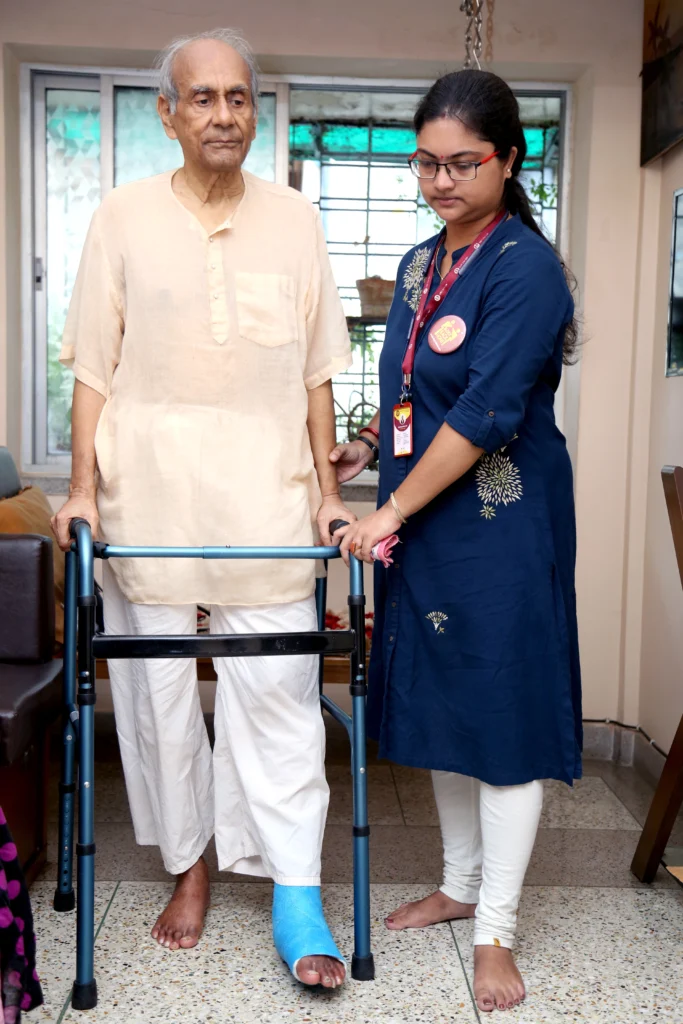
Home care allows seniors to receive professional medical and non-medical support while staying in their own home. Services include nursing care, caregiver assistance, physiotherapy, doctor visits, and post-hospitalization support. This model ensures comfort, familiarity, and personalized attention tailored to the individual’s needs.
Key Differences Between Home Care and Old Age Homes
- Comfort and Emotional Well-being
Home care enables seniors to stay in a familiar environment, which provides emotional security and reduces stress. In contrast, shifting to an old age home can sometimes cause anxiety due to separation from home and loved ones. - Personalized vs Shared Care
Home care offers one-on-one attention, ensuring that every need is addressed individually. Old age homes, on the other hand, provide shared care, where attention is divided among multiple residents. - Medical Support and Flexibility
Both options provide medical support, but home care services are highly flexible and can be customized based on the patient’s condition. Families can choose part-time, full-time, or critical care services at home. - Social Interaction
Old age homes provide built-in social engagement through group activities. Home care may require additional efforts to maintain social interaction, though family presence often compensates for this. - Independence and Lifestyle
At home, seniors retain their independence, routines, and personal space. In old age homes, daily schedules are often structured, which may limit personal freedom.
Which Option is Better for Seniors in India?
In most cases, Indian seniors prefer staying at home due to emotional attachment and cultural values. Home care services are ideal for those who want comfort, dignity, and personalized attention. Old age homes can be a better option when seniors require constant supervision, have no family support, or need a community environment for companionship.
Why Home Care is Becoming the Preferred Choice
With the rise of nuclear families and migration, professional home care services are becoming increasingly popular in India. They bridge the gap by providing medical care, companionship, and emergency support without disrupting the senior’s lifestyle. This ensures peace of mind for families, especially when they live far away.
Conclusion
Choosing between home care and an old age home is not about which is universally better—it’s about what suits your loved one’s needs. However, for most families, home care offers a balanced solution by combining professional support with the comfort of home.
If you are looking for reliable elder care services in Barrackpore or Kolkata, Buddy Back Home provides compassionate, professional care right at your doorstep. From nursing and physiotherapy to emergency support and daily assistance, their team ensures your loved ones receive the best care in the comfort of home. Contact Buddy Back Home today to give your parents the dignity, safety, and care they truly deserve.