Find Care Near You:

Uncategorized

home physiotherapy for elderly

Benefits of Home Physiotherapy for Elderly Patients

Home Physiotherapy for Elderly As our loved ones age, maintaining mobility, strength, and independence becomes increasingly challenging. Conditions like arthritis, stroke, muscle weakness, or post-surgery recovery often limit movement and affect daily life. This is where home physiotherapy plays a vital role. At Buddy Back Home, we believe that healing and recovery are most effective when provided in the comfort and safety of one’s home. What is Home Physiotherapy? Home physiotherapy is a personalized rehabilitation service where trained physiotherapists provide treatment at home. It is specially designed for elderly patients who may find it difficult to travel to clinics or hospitals. These sessions include guided exercises, mobility training, pain management, and recovery support tailored to the individual’s condition. Key Benefits of Home Physiotherapy for Elderly Patients 1. Comfort and Convenience at Home One of the biggest advantages is that elderly patients receive care in a familiar environment. There is no need for stressful travel or waiting in clinics. This comfort improves cooperation and speeds up recovery. 2. Personalized Treatment Plans Every senior has unique health conditions. Home physiotherapy ensures customized care based on the patient’s medical history, mobility level, and recovery goals. This targeted approach leads to better outcomes and faster improvement. 3. Improved Mobility and Independence Physiotherapy helps restore movement, improve joint flexibility, and strengthen muscles. It enables seniors to perform daily activities like walking, sitting, and standing more easily, promoting independence and confidence. 4. Effective Pain Management Chronic pain from arthritis, back issues, or injuries can severely impact quality of life. Regular physiotherapy sessions help reduce pain naturally without excessive medication, improving overall comfort. 5. Faster Recovery After Surgery or Illness After surgeries such as knee replacement or conditions like stroke, consistent physiotherapy is essential. Home sessions ensure continuity of care, helping patients recover faster and avoid complications. 6. Reduced Risk of Falls and Injuries Balance training and strength exercises improve stability, reducing the chances of falls—one of the leading causes of hospitalization among elderly individuals. 7. Better Overall Health and Well-being Physiotherapy not only improves physical health but also boosts mental well-being. Regular movement enhances blood circulation, respiratory function, and overall energy levels. 8. Continuous Monitoring and Support With professional physiotherapists visiting regularly, progress is closely monitored. Adjustments are made as needed, ensuring safe and effective recovery at every stage. Why Choose Buddy Back Home? At Buddy Back Home, we offer professional physiotherapy at home as part of our comprehensive elder care services. Our trained experts provide personalized rehabilitation programs for post-hospital recovery, chronic conditions, and mobility issues. Along with physiotherapy, we also offer nursing care, doctor visits, and medical equipment support—ensuring complete care under one roof. Conclusion Home physiotherapy is not just a treatment—it is a pathway to a better quality of life for elderly patients. It restores independence, reduces pain, and supports faster recovery without the stress of hospital visits. For families, it provides peace of mind knowing their loved ones are receiving expert care at home. If your elderly parent or loved one needs physiotherapy support, choose a service that prioritizes comfort, safety, and personalized care. Contact Buddy Back Home today and ensure the best possible care for your loved ones—right where they feel most comfortable.

Benefits of Home Physiotherapy for Elderly Patients Read More »
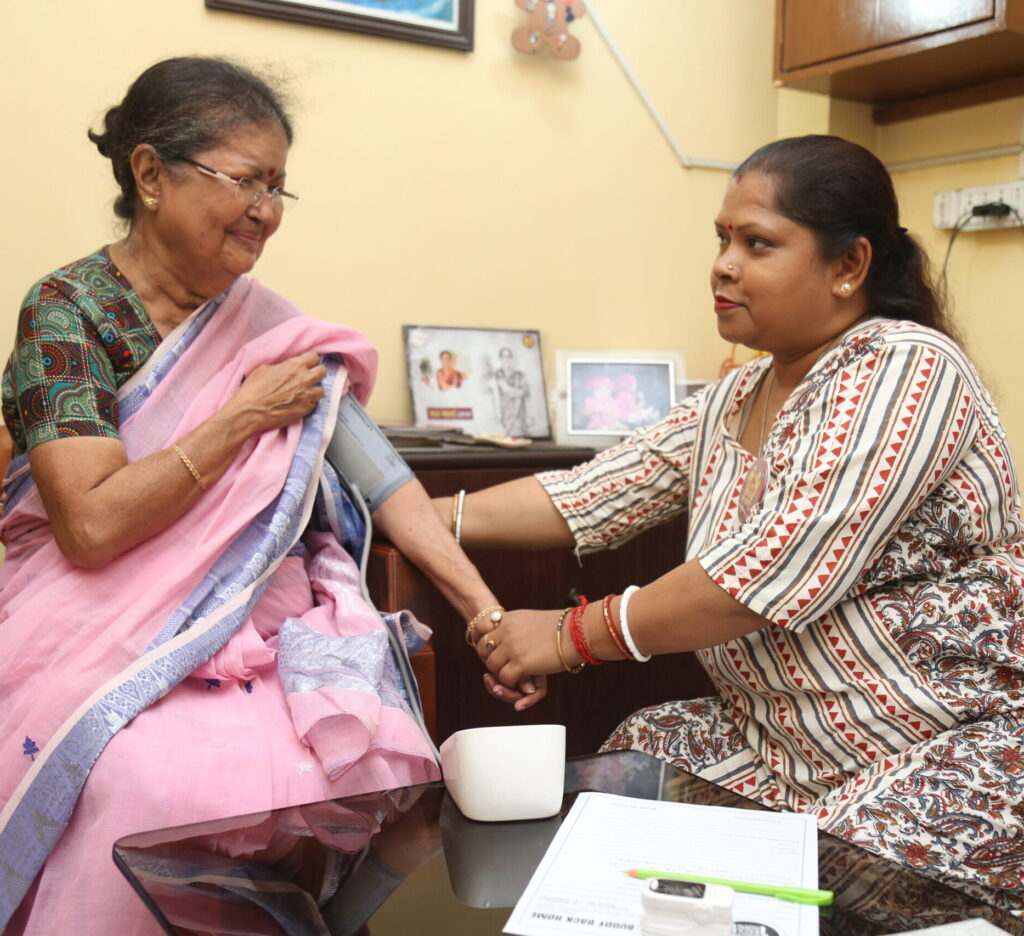
Home Care vs Old Age Home India

Home Care vs Old Age Home: What’s Best for Your Parents?

Home Care vs Old Age Home India As our parents grow older, one of the most important and emotional decisions we face is choosing the right care for them. Should they stay at home with professional support, or move into an old age home? There is no one-size-fits-all answer. The right choice depends on your parents’ health, emotional needs, lifestyle, and family situation. This guide will help you understand both options clearly so you can make the best decision for your loved ones. Understanding the Two Options What is Home Care? Home care allows seniors to stay in their own home while receiving professional support. This may include caregivers, nurses, companionship, medical coordination, and daily assistance. What is an Old Age Home? An old age home is a residential facility where seniors live together and receive care, meals, and support from staff in a shared environment. Benefits of Home Care 1. Comfort of a Familiar Environment Staying at home provides emotional security. Seniors feel more relaxed in a place filled with memories and familiarity, which positively impacts their mental well-being. 2. Personalized One-to-One Care Home care services are tailored to individual needs. Whether your parent needs medical care, companionship, or daily assistance, support can be customized accordingly. 3. Strong Emotional Connection Being at home allows seniors to stay connected with family, neighbors, and their daily routine, maintaining a sense of belonging and dignity. 4. Flexibility and Independence Unlike institutional care, home care adapts to your parent’s lifestyle. They can follow their own schedule, eat their preferred meals, and maintain independence. 5. Ideal for NRIs and Working Families With structured monitoring, regular updates, and emergency support, home care is an excellent solution for families living away from their parents. Benefits of Old Age Homes 1. Social Interaction Old age homes provide opportunities to interact with peers, participate in activities, and reduce loneliness through community living. 2. Round-the-Clock Supervision Most facilities offer 24/7 staff support, ensuring immediate assistance during emergencies or health concerns. 3. Structured Lifestyle Residents follow a fixed routine for meals, activities, and healthcare, which can be beneficial for some seniors. 4. Safety and Security Old age homes are designed with safety features and supervision, especially useful for seniors who cannot live independently. Key Differences: Home Care vs Old Age Home Factor Home Care Old Age Home Environment Familiar home setting Institutional/community living Care Type Personalized Standardized Emotional Comfort High Moderate Social Interaction Limited (depends on visits) High Flexibility High Limited Independence Maintained Reduced Family Connection Strong Limited physical presence When Should You Choose Home Care? Home care is ideal when: When Should You Choose an Old Age Home? An old age home may be suitable when: The Emotional Factor Matters Most In India, emotional attachment to home plays a major role in decision-making. Many seniors prefer aging in place rather than relocating to a new environment. At the same time, safety, health, and companionship cannot be ignored. The best solution often lies in balancing both—ensuring safety and care while preserving emotional comfort. A Modern Approach to Elder Care Today, elder care is evolving. With professional home care services, families no longer have to choose between safety and emotional well-being. Modern services provide: This allows seniors to stay at home while receiving structured, reliable care. Conclusion Choosing between home care and an old age home is not about which is better universally—it is about what is best for your parents. If your priority is comfort, dignity, and personalized care, home care is often the preferred choice. If supervision and social interaction are the main concerns, an old age home may be suitable. At Buddy Back Home, we believe your parents deserve to age with dignity, comfort, and care—right where they feel happiest: at home. If you are looking for reliable elder care support for your parents, our team is here to help you every step of the way. Contact us today to discuss the best care plan for your loved ones.

Home Care vs Old Age Home: What’s Best for Your Parents? Read More »

How to Talk to Elderly Parents About Home Care

How to Talk to Elderly Parents About Accepting Care at Home (Without Resistance)

How to Talk to Elderly Parents About Home Care One of the biggest challenges families face is not arranging care—but convincing their parents to accept it. Many seniors associate help with loss of independence, fear of being a burden, or even a sign that they are “no longer capable.” This emotional resistance is natural. In fact, most elderly individuals prefer staying in their own homes because it gives them comfort, familiarity, and control over their lives. Instead of seeing resistance as stubbornness, it’s important to understand that it often comes from fear, pride, or lack of clarity about what home care actually means. Choose the Right Time and Setting Timing plays a crucial role in sensitive conversations. Avoid discussing care during stressful situations like after a fall, hospital visit, or argument. Instead, choose a calm and comfortable moment where your parent feels safe and respected. A relaxed environment—like during a casual conversation at home—helps reduce defensiveness and opens the door for meaningful dialogue. Start with Empathy, Not Instructions Rather than telling your parents what they “need,” begin by expressing concern and love. For example, instead of saying:“You need a caregiver now,”you could say:“I’ve been thinking about how we can make things easier and safer for you at home.” This subtle shift removes authority from the conversation and replaces it with care and collaboration. Focus on Independence, Not Dependence A common misconception is that home care reduces independence. In reality, it often does the opposite. With the right support, seniors can continue living in their own homes safely and comfortably, maintaining their routines and dignity. Explain how assistance with small tasks—like mobility, medication reminders, or daily activities—can actually help them stay independent longer. Involve Them in Decision-Making Resistance often increases when elderly parents feel decisions are being made for them. Instead, include them in the process: When they feel heard and involved, acceptance becomes much easier. Start Small to Build Trust Introducing full-time care immediately can feel overwhelming. Begin with small steps: Gradual exposure allows your parents to experience the benefits without feeling like their life is being taken over. Address Emotional Concerns Openly Sometimes the resistance isn’t about care—it’s about deeper emotions like loneliness, fear, or loss of control. Encourage open conversations: Emotional reassurance is just as important as physical support. Studies and caregiving insights show that emotional well-being directly impacts overall health in seniors. Highlight Safety and Preventive Care Gently explain how home care can prevent bigger problems in the future. Regular monitoring, assistance with movement, and timely support can reduce risks like falls, medication errors, or emergency hospital visits. Position care as a preventive measure, not a reaction to decline. Bring in a Trusted Third Party Sometimes, elderly parents are more open to advice from someone outside the immediate family. This could be: Hearing the same suggestion from a neutral voice can reduce resistance and build trust. Be Patient—This Is a Process Acceptance doesn’t happen in one conversation. It may take multiple discussions, time, and reassurance. Avoid forcing decisions or showing frustration. Consistency, patience, and understanding are key. Over time, your parents are more likely to see that your intention is to support—not control—their life. Reassure Them: Home Will Always Be Home Finally, remind your parents that accepting help does not mean losing their home, identity, or freedom. In fact, home care exists to protect exactly those things—comfort, dignity, and independence. When approached with empathy and respect, this conversation can transform from a difficult discussion into a meaningful step toward better care and peace of mind for the entire family.

How to Talk to Elderly Parents About Accepting Care at Home (Without Resistance) Read More »

Emergency Medical Services for Seniors

Top Emergency Medical Services for Seniors in Kolkata: What Every Family Should Know

Emergency medical services for seniors in Kolkata As Kolkata’s elderly population continues to grow, ensuring quick access to emergency medical services has become a critical responsibility for families. Whether it is a sudden fall, cardiac emergency, stroke, or respiratory issue, timely medical intervention can make the difference between life and death. For families with ageing parents—especially those living alone or with children staying abroad—understanding Kolkata’s emergency healthcare ecosystem is not just important, it is essential. This guide will help you understand the key emergency medical services available in Kolkata and how to prepare your family for any situation. Why Emergency Medical Services Are Crucial for Seniors Elderly individuals are more vulnerable to sudden health complications such as heart attacks, strokes, infections, and mobility-related injuries. In such cases, the “golden hour” plays a vital role—getting medical care within this critical time significantly improves survival chances. In a city like Kolkata, where traffic congestion and distance can delay response times, having access to reliable emergency services ensures faster treatment and better outcomes. Types of Emergency Medical Services Available in Kolkata 1. 24/7 Ambulance Services Ambulance services are the backbone of emergency care. Kolkata offers multiple types of ambulances depending on the severity of the condition: For example, advanced ambulance systems in Kolkata are equipped with trained emergency medical technicians and modern life-saving devices, ensuring patients receive care even before reaching the hospital . 2. Hospital Emergency Departments Kolkata is home to several multi-speciality hospitals with fully functional 24/7 emergency departments. These facilities typically include: Modern hospitals also operate dedicated emergency response systems with GPS-enabled ambulances and trained teams to ensure quick coordination and patient admission . 3. On-Call Doctors and Home Emergency Care For seniors who may not be able to travel immediately, on-call medical services play a crucial role. Services include: Many elder care providers in Kolkata offer 24/7 doctor-on-call and emergency response services, ensuring that seniors receive immediate attention without delay . 4. Integrated Elder Care Emergency Services A growing trend in Kolkata is integrated elder care support, where a single service provider manages the entire emergency process. This includes: Such services are especially beneficial for NRIs or working families, as care managers handle everything from transportation to hospital admission and follow-up care . 5. Government Emergency Helplines In addition to private services, government emergency numbers also play a vital role: Recent initiatives in West Bengal aim to strengthen ambulance networks with GPS-enabled vehicles and faster response systems to improve emergency care access . Common Medical Emergencies Faced by Seniors Families in Kolkata should be prepared for the following common emergencies: Quick identification and response are critical in all these situations. How to Prepare for a Medical Emergency at Home Being prepared can save precious time during emergencies. Here are some essential steps every family should take: 1. Keep Emergency Numbers Handy Maintain a list of ambulance services, hospitals, and doctors near your home. 2. Organize Medical Records Keep prescriptions, reports, and medical history easily accessible. 3. Create a Care Plan Ensure there is a clear plan for hospital transfer, preferred hospitals, and emergency contacts. 4. Install Basic Medical Equipment Devices like BP monitors, glucometers, and oxygen support can help in initial response. 5. Choose a Trusted Elder Care Partner Having a reliable elder care service ensures immediate response, professional handling, and continuous support. Challenges in Kolkata’s Emergency Care System Despite improvements, families often face challenges such as: This is why having a structured and dependable support system becomes essential. How Buddy Back Home Supports Emergency Care At Buddy Back Home, we understand the urgency and sensitivity of medical emergencies involving seniors. Our approach focuses on: We ensure that your loved ones receive timely and compassionate care, even when you are not physically present. Conclusion Emergency medical services are a lifeline for senior citizens in Kolkata. With the right preparation, awareness, and support system, families can ensure that their loved ones receive immediate and effective care during critical situations. Choosing the right emergency care partner can provide not just medical support, but also peace of mind. If you are looking for reliable elder care and emergency support in Kolkata, Buddy Back Home is here to help you every step of the way. Looking for immediate assistance? Contact Buddy Back Home today and ensure your parents are always protected.

Top Emergency Medical Services for Seniors in Kolkata: What Every Family Should Know Read More »

Scroll to Top