Blog

Cardiac Problems faced by Middle Aged Individuals

Introduction Various types of cardiac problems can be faced by Middle Aged Individuals including Hypertension, Ischemic Heart Disease, Heart Failure, Valvular Heart Disease, Arrhythmia related disorders and even Congenital Heart defects which manifests in the middle age group. This age group of 40-60 years would probably have the highest incidence in heart illnesses in India. It is said that cardiac diseases present 10 years earlier in our country as compared to the West. Hence it is important that people of this age group have adequate knowledge to prevent cardiac illnesses as well as for timely diagnosis and management of them. When to suspect? Awareness of symptoms of cardiac diseases is important. These include difficulty in breathing or chest discomfort especially on exertion, which reduces with rest. An acute onset chest pain lasting more than 20mins is a cause of worry and should not be neglected. Palpitations, dizziness, ‘blackout’, easy fatiguability, swelling in legs are other symptoms for which one should consult a cardiologist. It is important to know that sometimes there maybe no symptoms. This is seen in Hypertension which is also called as a Silent killer, also in diabetics where there maybe ‘silent heart attacks’ without chest pain. What to do? Prevention is better than cure. Leading a healthy lifestyle goes a long way in preventing cardiac illnesses. One should never smoke and stay away passive inhalation of smoke. Even Air Pollution is a risk factor for heart ailments. Wearing of masks helps in this aspect. Exercising for atleast 30-45 minutes per day for 5times a week is recommended. It includes brisk walking, 15 minutes of intensive exercises, yoga or simple ‘free hand’ exercises of every part of the body. One should do exercises according to their age, body structure, flexibility and other specific requirements. Hence initial few months learning under a trainer is helpful. Diet plays an important role in not just cardiac diseases but all Non communicable diseases. One’s diet should be balanced according to one’s needs. Must have in diet includes fruits and vegetables of 4-5 servings as well as a handful of dry fruits, unless contraindicated. Salt intake should be restricted to less than 4g/day. Sugar, fried or over-heated fatty food should be avoided. Adequate hydration, adequate amount of restful sleep are equally important. One must also get regular check-ups done so that silent attacks or abnormalities are detected in time. Above all things it is most important to minimize stress by finding happiness in everything we do. Dr. Aditya Verma, Cardiologist, MD, DNB (Gen. Medicine), DM Cardiology

Cardiac Problems faced by Middle Aged Individuals Read More »

Challenges Experienced by Parents in Raising Kids Nowadays

Parenting was never easy, with its various challenges in rearing up an individual and introducing them to the society. One can say that the challenges have been increasing day by day in today’s fast paced and hectic society, therefore creating new pressures for parents. Nowadays children are exposed to a variety of things- new technology, frequent changes and fast development, overwhelming education system as well as changes in family dynamics. An exposure to these have made them more aggressive, defiant, argumentative, impulsive, demanding with a knack for throwing tantrums. Due to the numerous demands on today’s parents, its a real challenge for them to take out and deliver quality time to their children on a regular basis. Likewise too many children have packed after school schedules that leave them very little time to simply be with their parents or spend quality time with their family as well as having quality playtime. With majority of the parents being working, balancing work and personal life is also challenging as lack of time between each other or the children creates a breakage in the emotional bonding therefore making the child more defiant or aloof. Raising children in Digital age is one the most significant challenges that parents have to face these days. The constant exposure to the world of social media, gaming and others have not only interfered with the child’s concentration and motivation level in academics rather has also contributed to an array of behavioural difficulties arising from indecent subjection to inappropriate content. Agrima Chakraborty, CLINICAL PSYCHOLOGIST, M.Sc in Psychology (C.U.), M.Phil in Clinical Psychology (IOP-COE)

Challenges Experienced by Parents in Raising Kids Nowadays Read More »

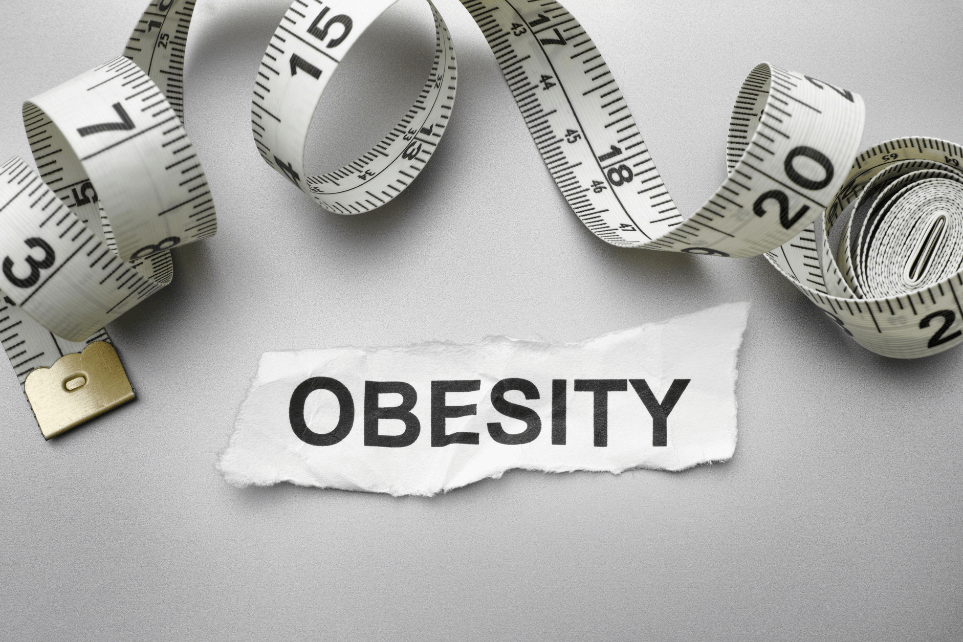
Obesity: Facts & Myths

It is often assumed that obese people are lazy. However, it is wrong to assume before knowing the details. Obesity is linked to many different reasons other than being lethargic. Spreading the right awareness about the disorder is essential as people are getting trapped in their poor lifestyle without being able to consciously act towards it. Pursuing fad diets and workouts is only a temporary solution to tackle the problem but it is not right to exhaust your body in doing so. Maintaining a balance in your journey to overcome obesity is essential and that is something that is celebrated on the anti-obesity day. What is obesity? Obesity is a condition that is a result of excess body fat. Diagnosis of obesity leads to an increase in the risk of developing several health problems such as heart disease, high blood pressure, diabetes, asthma, depression, cancer, etc. It disrupts metabolic functions and reduces your body’s ability to burn more calories as a result you gain body weight. Obesity is usually linked to overeating and being lazy however factors like genes, age, having other diseases like polycystic ovarian syndrome, and hypothyroidism are also some of the prime causes of obesity. Obesity is soon becoming an epidemic as people are falling for poor lifestyle patterns. Having a body mass index (BMI) of more than 30 is a sign that you have obesity.It is becoming the root cause of many serious health complications. 5 myths & facts about obesity It is important to quash the myths about obesity so that people develop the conscience to fight against it sensibly. Myth- Obesity is the consequence of poor lifestyle choices Fact- Often obesity is considered the result of wrong eating habits and lack of movement. This might be the case for some. However, it is not fully correct that only lazy people who have bad eating habits are obese. Developing obesity can be a result of several other factors other than just being a couch potato. Though diet and physical activities play a major role, this doesn’t give us a free ticket to ignore all other causes of obesity. Equal importance should be given to other causes of obesity such as consumption of fast foods, excessive intake of alcohol, eating larger portions than required, consumption of sugary drinks and beverages etc while accessing the disease. Myth- People with obesity have a slow metabolism Fact- Metabolism is determined by body composition and not body weight. People often think that if somebody is fat and obese he or she might have a slow metabolism but this isn’t the complete truth. Skinny people have faster metabolism is a sheer myth, on the contrary people with larger bodies require more energy to carry out daily chores and therefore their resting metabolic rate is much higher than slim people. It is not the weight that determines the metabolic functions. More calories are burnt by muscle tissues than by fats and this should be the underlying principle to determine metabolism. Myth- Obesity should be a concern only for adults Fact- This is an important myth that should be busted this obesity day, obesity is as dangerous to children and teenagers as it is to adults. Children are in their growing years therefore it is assumed that as they grow up they might lose the extra kilos automatically. Ignorance of childhood obesity may expose them to develop serious health complications. Obesity affects the growth of children and puts their health at stake. It is equally essential to recognize childhood obesity as a serious issue, especially during recent times when children are easily falling for the wrong lifestyle choices. Myth- Eating less frequently will help to fight obesity and increase weight loss Fact- According to studies, you tend to intake more calories if you eat larger meals all at once. This type of eating habit increases your craving for sugar, salt, and carbs eventually making you binge eat. On the other hand, if you eat smaller frequent meals your metabolism will work smoothly and sugar levels will be controlled. Added to that eating frequent small meals of tailored calories will save you from binge eating junk to satisfy your cravings. You can pledge to start with such eating habits from this obesity day. Keeping a track of your calorie consumption daily will aid your weight management and bring you closer to your weight loss goal. Myth-If obesity is in your genes you ought to have it Fact- Though genetic factors play an important role in assessing obesity, it doesn’t claim that just because obesity runs in your family you’ll be diagnosed with it. However, if it is in your genes your risk of getting diagnosed increases but if you alter your lifestyle and make lifestyle you’ll be able to fight it just like an ordinary person who does not have genetic obesity. Bottomline A lot of people are still living in a delusion that obesity is purely the result of overeating and laziness. The opportunity of World obesity day 2021 was taken to bust such myths. Knowing the prime cause of obesity in your body will help you to treat it effectively. Though diet and exercise play an important role, it is not correct to deprive your body of essential nutrients in the name of diet or exhaust it with heavy workouts. Wholesome eating and moderate workout must be encouraged. Take baby steps to fight it and with collective efforts, obesity will just be a thing of history. Dt Shreyoshi Bhaumick, Clinical Nutritionist and Lifestyle Counselor, M.Sc in Food and Nutrition, C.U.

Obesity: Facts & Myths Read More »

Depression and Stages of Life

Depression is one of the most common psychiatric disorder seen. It is caused by interaction of social, psychological, biological factors. It affects all age groups. It is characterized by persistent sadness, loss of interest or pleasure, low energy, decreased sleep, appetite, low self-esteem disrupting daily functions of the individual and in severe cases can lead to suicide. In children depression presents with school refusal, irritability, academic decline. Adolescents suffering from depression have anger outbursts, relationship adjustment issues, increased substance intake like alcohol etc, academic decline. Peer relationship, academic pressure, hormonal changes mostly contribute to its onset. Adults, especially those in middle age, grapple with stressors related to work, family responsibilities and financial concerns which can precipitate depression. In the elderly population, depression can be mistaken for normal aging processes, with symptoms such as sleep disturbances and somatic complaints. Loneliness, medical conditions and loss of loved ones contribute to late-life depression. Effective interventions vary across age groups. Children, Adolescents may benefit from cognitive-behavioural therapies and family support while young adults might respond well to psychotherapy that addresses identity and life goals. In moderate to severe depression combination therapy, medications like antidepressants with psychotherapy is beneficial and the elderly may require tailored approaches considering their medical conditions and social support systems. In conclusion, depression manifests differently across age groups due to unique stressors and life stages. With early detection and effective intervention depression can be cured. Dr Reema Dey, Psychiatrist, MBBS, MD

Depression and Stages of Life Read More »

Common Problems of the Elderly

“Senior citizen” the term suggests those person, who need special care, love and affection. We need to deal with them like babies. Though they are relieved from major social attributes, but are not free from several known or unknown ailments. Most of the geriatric population suffer from diabetes mellitus, hypertension, hypothyroidism, ischaemic heart and brain diseases. But many things got unnoticed and undiagnosed. Parkinsonism, a common neurodegenerative disease demands early diagnosis to prevent sudden fall and fracture, but it’s too common. Other neurodegenerative diseases and subsequent dementia need special mention too. Osteoporosis, a very commonly overlooked entity often gets diagnosed late until a fracture happens. Calcium, vitamin D deficiency and long term use of over the counter antacids the leading causes. Besides, various carcinomas, like liver, gall bladder, prostate, colon, pancreatic and obviously lung carcinoma spread there kingdom silently, until advanced stages. Whereas all these are physiological disturbances, psychological factors are often not addressed by treating physicians. Insomnia, depression, anxiety, forgetfulness, obsessive compulsive disorders are so common and we, family members often get irritated. Constipation, a so common lingering symptom, often treated with over the counter laxatives, without knowing underlying causes. In a nutshell, caring geriatric body and minds means not only “sugar and pressure” but also inevitably demands taking care of their psychological, cognitive and spiritual aspects with utmost love, tenderness, affection, communication and rehabilitation. Dr Soumik Mandal, General Physician, MBBS, MD

Common Problems of the Elderly Read More »

Geriatric Orthopaedic Ailments

In view of increased life expectancy, geriatric population holds a significant concern in view of medical and surgical ailments. Osteoporosis comes at the top of major orthopaedic diseases in elderly, another common entity being Osteoarthritis. Osteoporosis makes their bones weak and susceptible to significant fractures even following a trivial trauma which commonly includes fracture around hip, spine and wrist. Sometimes if not adequately treated in time, these injuries may result into short and long term morbidities including some life threatening complications. Hence the need of hour is to get regular Orthopaedic check up of geriatric population to prevent and diagnose Osteoporosis and to treat it and it’s complications like fractures well in time and in most effective way. Similarly Osteoarthritis of knee, and also hip renders a person incapable of performing activities of daily living with excruciating pain with which the person wakes up every single morning. If properly treated in time, this may decelerate the worsening, and if at all required, knee and hip replacement surgeries in time would lead to a pain free healthy quality life for them.. Hence in both the scenarios and many other every senior citizen should visit an Orthopaedic surgeon to get thorough check up so as to prevent and treat their existing ailments and also the complications.. Stay healthy and well.. Dr. Anupam Das (Consultant Orthopaedic Surgeon, Complex Trauma, Arthroscopy, Arthroplasty) MBBS, MS.Orth (AIIMS, Delhi), DNB, MNAMS

Geriatric Orthopaedic Ailments Read More »

Heartwarming tales from elderly home services

Proactively envisioned multimedia based expertise and cross-media growth strategies. Seamlessly visualize quality intellectual capital without superior collaboration and idea-sharing. Holistically pontificate installed base portals after maintainable products. Interactively coordinate proactive e-commerce via process-centric “outside the box” thinking. Completely pursue scalable customer service. Two Column Text Sample Nam libero tempore, cum soluta nobis est eligendi

Heartwarming tales from elderly home services Read More »

Heartwarming tales from elderly home services

Proactively envisioned multimedia based expertise and cross-media growth strategies. Seamlessly visualize quality intellectual capital without superior collaboration and idea-sharing. Holistically pontificate installed base portals after maintainable products. Interactively coordinate proactive e-commerce via process-centric “outside the box” thinking. Completely pursue scalable customer service. Two Column Text Sample Nam libero tempore, cum soluta nobis est eligendi

Heartwarming tales from elderly home services Read More »

Heartwarming tales from elderly home services

Proactively envisioned multimedia based expertise and cross-media growth strategies. Seamlessly visualize quality intellectual capital without superior collaboration and idea-sharing. Holistically pontificate installed base portals after maintainable products. Interactively coordinate proactive e-commerce via process-centric “outside the box” thinking. Completely pursue scalable customer service. Two Column Text Sample Nam libero tempore, cum soluta nobis est eligendi.

Heartwarming tales from elderly home services Read More »

Scroll to Top