
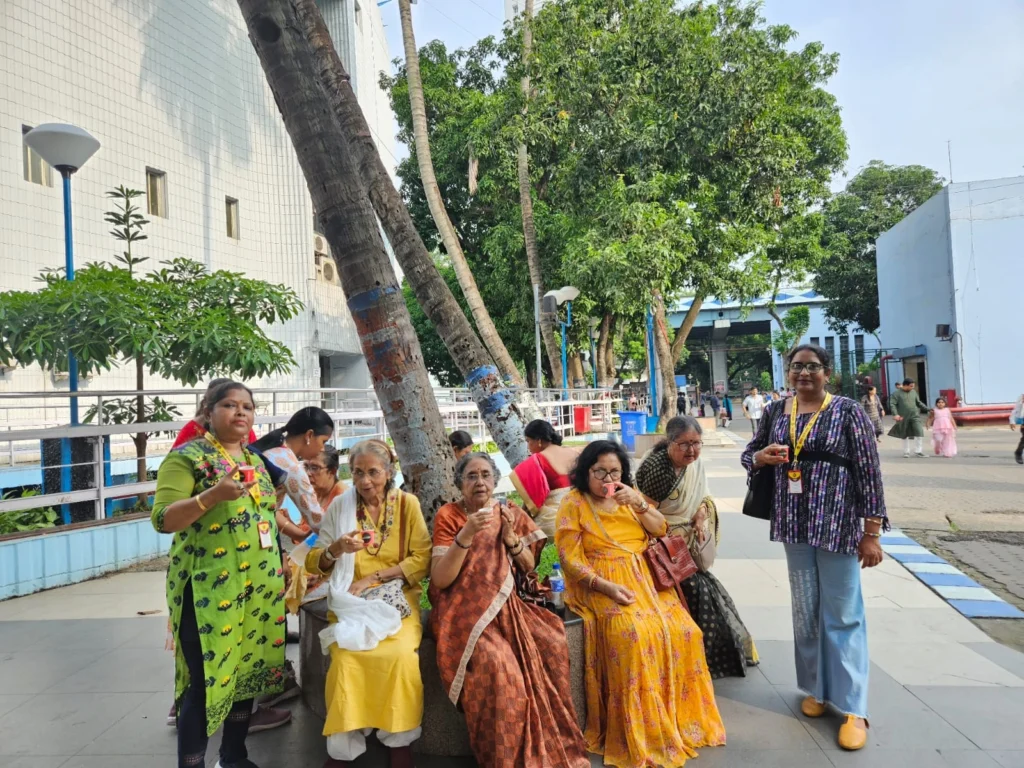
Caregiver for Elderly Parents in Kolkata
Finding the right caregiver for elderly parents is an important decision for any family. As parents grow older, they may need additional support with everyday activities, personal care, mobility, medical appointments or household tasks. Choosing someone who is trustworthy, patient and experienced can help older adults feel more comfortable while giving family members greater confidence in their care arrangements.
For families in Kolkata, the process involves more than finding someone who is available. It is important to understand the senior’s individual needs, verify the caregiver’s background, assess relevant experience and establish clear expectations before care begins.
For Non-Resident Indians (NRIs) whose parents live in Kolkata, these considerations become even more important because they may not always be physically present to supervise daily arrangements.
In this guide, Buddy Back Home explains the key factors to consider when choosing a reliable caregiver for elderly parents in Kolkata.
Why Choosing the Right Elderly Caregiver Matters
Every older adult has different needs. Some seniors remain independent but appreciate assistance with errands and daily activities. Others may need regular help with bathing, dressing, eating, walking or following an established care routine.
The right caregiver should understand these needs and provide appropriate assistance while respecting the senior’s privacy, independence and dignity.
A suitable caregiver can help with:
- Daily activities and personal hygiene
- Walking and mobility assistance
- Meal-time support, where required
- Companionship and everyday interaction
- Coordination of appointments and household requirements
- Following an established care plan
- Communicating relevant concerns to family members
The type of assistance required should determine the caregiver’s qualifications and responsibilities.
1. Assess Your Parents’ Care Requirements First
Before contacting a caregiver or service provider, make a list of the tasks your parents need help with.
Consider whether they need occasional assistance, a few hours of support each day, overnight supervision or more extensive personal care.
For example, an elderly person who lives independently may only need help with errands and mobility. Someone recovering from surgery may require closer assistance with personal hygiene and movement. A senior with complex medical needs may require a qualified nurse or another appropriately trained healthcare professional.
Understanding these requirements helps you avoid choosing a service that is either insufficient or unsuitable.
You should also discuss the proposed arrangements with your parents. Their preferences, comfort level and daily routine should remain central to the decision.
2. Verify the Caregiver’s Identity and Background
Trust is essential when allowing someone into your parents’ home. Identity verification and appropriate background checks are important steps before a caregiver begins working.
Ask the individual or agency about the following:
- Government-issued identity documents
- Current address and contact details
- Police verification or relevant background checks
- References from previous employers or families
- Employment history and experience
- Procedures for handling complaints or misconduct
Where applicable, complete the relevant domestic-help verification process with the local police. Kolkata Police has previously highlighted verification procedures for domestic help as an important household safety measure. Families should confirm the current requirements with the appropriate police authority.
Do not rely solely on verbal assurances. Ask what checks have actually been completed and retain the relevant documentation securely.
3. Check Training, Qualifications and Experience
Not every caregiver has the same training or professional responsibilities. It is important to distinguish between a non-medical caregiver and a qualified nursing professional.
A caregiver may assist with daily living activities, mobility, companionship and personal hygiene, depending on their training and agreed responsibilities.
A qualified nurse may be required for clinical tasks such as wound care, injections or other medical procedures that fall within their professional scope.
When evaluating a caregiver, ask:
- Have they worked with elderly individuals before?
- Have they received relevant caregiver training?
- Do they have experience assisting seniors with similar needs?
- Can they recognize when a situation requires medical attention?
- Do they understand basic safety and hygiene practices?
- Are their qualifications and references verifiable?
If your parent has dementia, limited mobility or a complex health condition, look for relevant experience and establish whether additional professional supervision is necessary.
4. Evaluate Communication and Compassion
Technical ability is important, but a caregiver’s attitude also affects the everyday experience of an older adult.
Seniors may feel uncomfortable receiving assistance from someone unfamiliar. A patient caregiver should listen carefully, communicate respectfully and avoid making the senior feel rushed or dependent.
During an introductory conversation, observe how the caregiver interacts with your parent.
Look for someone who:
- Speaks respectfully and listens without interrupting
- Understands the senior’s preferences and routines
- Shows patience when tasks take longer
- Respects privacy and personal boundaries
- Communicates concerns clearly
- Encourages independence whenever appropriate
Language compatibility may also matter. In Kolkata, some families may prefer a caregiver who can communicate comfortably in Bengali, Hindi, English or another familiar language.
Whenever possible, arrange an introduction before finalizing the appointment. Your parent’s comfort and feedback should influence the decision.
5. Understand the Caregiver’s Responsibilities Clearly
Misunderstandings can arise when families and caregivers have different expectations about the work involved.
Before care begins, prepare a clear list of responsibilities and discuss them openly.
Depending on the agreed service, duties may include:
- Assistance with bathing, dressing and personal hygiene
- Help with walking and moving around the home
- Companionship and daily interaction
- Assistance during meals
- Support with routine activities
- Accompaniment to appointments, if included
- Updates to family members about relevant concerns
Also clarify what is not included. Cooking, deep cleaning, handling money, administering medicines and providing clinical care should not be assumed to be part of every caregiver arrangement.
Agree on working hours, weekly leave, payment terms, emergency contacts and replacement arrangements in advance. Written terms can help prevent confusion later.
6. Prioritize Home Safety and Emergency Preparedness
A reliable caregiver should understand the importance of safety in an older person’s home. However, hiring a caregiver does not replace the need for appropriate home-safety measures or a clear emergency plan.
Before the arrangement begins, review:
- Emergency contact numbers
- Access to essential medical information
- Safe walking paths and adequate lighting
- Bathroom safety and fall-prevention measures
- The location of first-aid supplies
- Instructions for contacting family members or emergency services
If your parent has a known risk of falling or needs assistance with transfers, make sure the caregiver has appropriate training for those tasks.
Discuss what should happen if your parent becomes unwell, has a fall or cannot be reached by family members. For a medical emergency, the caregiver should follow the agreed escalation plan and contact the appropriate emergency services.
7. Ask About Supervision and Backup Support
Even a capable caregiver may occasionally be unavailable due to illness, leave or an unexpected circumstance. Families should understand how care will continue during these periods.
If you are hiring through an agency, ask whether it provides:
- A documented caregiver selection process
- A designated contact for questions or complaints
- A procedure for reporting concerns
- Replacement arrangements when necessary
- Follow-up communication with the family
- A way to review and update the care plan
For families living abroad, a dependable communication process is particularly important. Establish how often updates will be shared and which situations require an immediate call.
Avoid assuming that every agency provides supervision or emergency coverage. Confirm the exact arrangements before making a commitment.
8. Compare Costs, Working Hours and Service Terms
The cost of elderly caregiving in Kolkata varies according to working hours, experience, care requirements, location and the responsibilities involved.
A part-time caregiver may be suitable for a senior who needs limited assistance, while more intensive requirements may call for longer shifts or qualified nursing support.
When comparing options, request a clear breakdown of the charges and confirm:
- Daily or monthly fees
- Working hours and overtime arrangements
- Weekly leave and holiday policies
- Replacement or cancellation charges
- Any additional service fees
- Payment schedules and documentation
The lowest quotation is not necessarily the best choice. Consider the caregiver’s suitability, verification, experience, reliability and the support available if a problem arises.
9. Monitor the Arrangement After Care Begins
Selecting a caregiver is only the first step. Families should continue checking whether the arrangement meets their parents’ needs.
During the initial period, ask your parent how comfortable they feel and whether their preferences are being respected. Observe whether daily tasks are completed appropriately and whether communication remains consistent.
For families living outside Kolkata or overseas, scheduled video calls and agreed updates can help maintain contact. Where possible, a trusted local family member or representative can also provide feedback.
Review the arrangement if you notice repeated communication problems, unexplained changes in routine, neglect of agreed responsibilities or signs that your parent feels uncomfortable.
Concerns should be addressed promptly, and any immediate safety issue should be treated seriously.
10. Why NRI Families Need a Clear Caregiver Selection Process
For NRIs, arranging care for parents in Kolkata can be particularly challenging because they may be unable to attend interviews, supervise appointments or respond to every local requirement in person.
A structured process helps families make decisions more confidently.
Start by documenting your parent’s needs, identifying suitable providers, verifying credentials and discussing expectations with everyone involved. Establish a local emergency contact and agree on a communication schedule before the caregiver starts.
It is also important to involve your parent in the decision wherever possible. Remote coordination should support their independence, not remove their control over everyday choices.
Buddy Back Home can help families explore local assistance and logistical support options based on their requirements. Confirm the availability and scope of any specific caregiver or personal-care service before making arrangements.
How Buddy Back Home Can Help Families in Kolkata
Managing responsibilities for ageing parents can be difficult when family members live in another city or country. Having a clear support plan and access to suitable local assistance can make everyday coordination more manageable.
Buddy Back Home helps NRIs and families coordinate practical support for loved ones in India. Depending on the services available and the family’s requirements, this may include assistance with selected errands, essential needs and other logistical arrangements.
When arranging dedicated caregiving, families should confirm the caregiver’s responsibilities, qualifications, verification status and supervision arrangements directly with the relevant provider.
The goal is to create a support system that respects your parents’ independence while helping you remain involved in their well-being.
If you are looking for support for your ageing parents, contact Buddy Back Home to discuss your requirements and explore suitable assistance options.
Frequently Asked Questions
1. How do I choose a reliable caregiver for elderly parents in Kolkata?
Start by assessing your parent’s needs, checking the caregiver’s identity and background, verifying relevant training and experience, and discussing responsibilities and emergency arrangements. Involve your parent in the selection process and review the arrangement after it begins.
2. Should I hire an individual caregiver or use an agency?
Both options may be suitable, depending on your requirements. An individual arrangement may offer direct coordination, while an agency may provide recruitment processes, replacement arrangements or additional support. Verify the actual services offered rather than assuming these features are included.
3. What documents should I check before hiring a caregiver?
Ask for government-issued identity documents, address details, references and relevant training or qualification records. Confirm the status of appropriate background checks and follow the applicable local verification process.
4. What is the difference between a caregiver and a nurse?
A caregiver generally assists with daily living, personal care, mobility and companionship within their training and agreed responsibilities. A qualified nurse provides clinical care within their professional scope. Seniors with medical needs may require nursing support in addition to caregiving assistance.
5. How can NRIs monitor the quality of care from abroad?
Establish a regular communication schedule, agree on updates, speak directly with your parent and arrange local support where possible. Ask how concerns will be reported and what steps can be taken if the caregiver is unavailable or unsuitable.
6. What should I do if my parent is uncomfortable with the caregiver?
Listen to your parent’s concerns without dismissing them. Discuss the issue, review whether expectations or communication need to change, and arrange a replacement if necessary. If there is an immediate safety concern or suspected abuse, prioritize your parent’s safety and contact the appropriate authorities.
Conclusion
Choosing a reliable caregiver for elderly parents in Kolkata requires careful planning, proper verification and an understanding of your parent’s individual needs. Experience and compassion matter, but so do clear responsibilities, home safety, communication and backup arrangements.
For NRI families, a structured selection process can make it easier to coordinate care while remaining involved in their parents’ lives from abroad.
At Buddy Back Home, we understand the importance of practical local support for families living far away. If you need help coordinating assistance for your loved ones in Kolkata, get in touch to discuss your requirements.
Because your parents deserve care that respects their comfort, independence and dignity—even when you cannot always be there in person.