
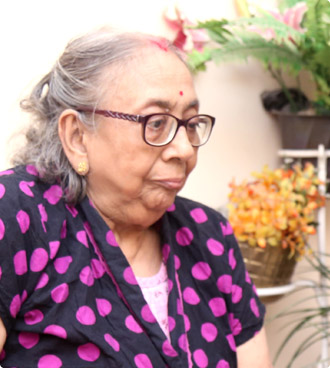
Elderly Parents Living Alone
For many NRIs, living thousands of kilometres away from ageing parents can create a difficult question: How can I make sure my parents are safe, healthy, and cared for when I cannot be there every day?
As parents grow older, everyday responsibilities such as doctor visits, medication management, household maintenance, emergency situations, banking, property matters, and regular companionship can become increasingly difficult to manage alone.
Distance does not reduce your responsibility toward your parents. However, it can make providing that support more complicated.
A reliable local support system can bridge this gap.
At Buddy Back Home, we understand the challenges faced by NRIs who want to care for their parents in India while living abroad. Our approach is built around providing practical, dependable on-ground support so families can have greater peace of mind even when they cannot be physically present.
This guide explains how NRIs can create a comprehensive care plan for elderly parents living alone.
Why Are More Elderly Parents Living Alone?
Migration, nuclear families, professional commitments, and children settling abroad have changed the traditional family structure in India.
Many elderly parents continue living in their own homes because they are emotionally attached to their surroundings and want to maintain their independence.
Living independently can be positive when the senior is healthy and capable. However, additional challenges may arise as age-related needs increase.
Some common concerns include:
- Difficulty managing household responsibilities
- Medical emergencies
- Regular doctor visits
- Medication management
- Mobility problems
- Loneliness and social isolation
- Home maintenance
- Financial and banking responsibilities
- Property-related issues
- Difficulty responding quickly during emergencies
For an NRI family member, the biggest challenge is often not knowing whether something is happening until it becomes urgent.
What Challenges Do Elderly Parents Living Alone Face?
Every senior has different needs, but several challenges are common.
1. Medical Emergencies
A sudden fall, chest discomfort, breathing difficulty, injury, or other health emergency requires immediate attention.
When children live abroad, arranging an ambulance, hospital admission, medical documents, and on-ground assistance can become extremely stressful.
2. Medication Management
Older adults may take several medicines at different times of the day.
Missed doses, incorrect doses, or confusion between medications can create unnecessary health risks.
A structured medication routine and appropriate professional supervision can help.
3. Difficulty With Daily Activities
Tasks that were once easy may become challenging with age.
Shopping, cooking, cleaning, bathing, travelling to appointments, and managing household responsibilities may require additional assistance.
4. Loneliness
Physical safety is only one part of elderly care.
A senior may be medically stable but still experience loneliness because children and other family members live far away.
Regular companionship and meaningful social interaction can support emotional well-being.
5. Property and Household Problems
A leaking pipe, electrical issue, appliance breakdown, security concern, or property maintenance problem can become a major challenge when an elderly person is living alone.
An NRI may not be able to visit immediately to resolve the issue.
10 Ways NRIs Can Care for Parents Living Alone in India
1. Create a Comprehensive Emergency Plan
The first step is to prepare for situations before they happen.
Your parents should have easy access to:
- Emergency contact numbers
- Nearby family members or trusted neighbours
- Doctor’s contact information
- Hospital details
- Medical records
- Medication information
- Insurance documents
- Identification documents
- Important family contacts
Keep a digital copy of essential documents where appropriate and ensure that trusted people know how to access critical information during an emergency.
2. Arrange Regular Health Monitoring
Do not wait for a medical emergency before checking on your parents’ health.
Depending on their individual needs, regular health monitoring may include:
- Doctor appointments
- Blood pressure monitoring
- Blood sugar monitoring when medically advised
- Medication reviews
- Routine health check-ups
- Physiotherapy support when recommended
- Follow-up after hospitalisation
The objective is early identification of problems rather than waiting until symptoms become serious.
3. Make Medication Management More Structured
If your parents take multiple medications, create a clear routine.
Keep medicines organised and maintain an updated list containing:
- Medicine name
- Dosage
- Timing
- Purpose
- Prescribing doctor
If your parent has difficulty remembering or organising medications, professional support may be useful.
Medication should always be taken according to the treating doctor’s instructions, and medicines should not be stopped or changed without professional medical advice.
4. Make the Home Safer
A safe home environment is especially important when an elderly person lives alone.
Check for:
- Slippery bathroom floors
- Loose rugs
- Poor lighting
- Cluttered walkways
- Unsafe stairs
- Loose electrical wires
- Unstable furniture
- Difficult-to-reach shelves
- Kitchen hazards
- Poor bathroom accessibility
Simple modifications can reduce avoidable risks and help seniors remain independent for longer.
5. Maintain Regular Communication
Calling your parents regularly is one of the simplest ways to stay connected.
Instead of asking only, “Are you okay?”, have meaningful conversations.
Ask about:
- Their health
- Meals
- Sleep
- Medicines
- Doctor appointments
- Household issues
- Any unusual symptoms
- How they are feeling emotionally
Changes in tone, behaviour, routine, or communication can sometimes indicate that additional support may be needed.
6. Arrange Reliable Local Support
Having someone trustworthy nearby can make a major difference.
A local support system can help with:
- Doctor visits
- Hospital coordination
- Daily assistance
- Emergency situations
- Household requirements
- Medication-related support
- Regular check-ins
- Other practical responsibilities
For NRIs, this local presence can provide something that technology alone cannot: someone who can physically be there when needed.
7. Keep Medical Information Organised
Create a central record of your parent’s important health information.
This may include:
- Current medical conditions
- Allergies
- Current medicines
- Previous surgeries
- Doctors’ details
- Hospital details
- Insurance information
- Recent medical reports
Keeping these records organised can save valuable time during medical emergencies.
8. Plan for Hospital and Emergency Situations
Do not wait until an emergency occurs to decide what to do.
Identify in advance:
- Preferred hospital
- Nearest emergency facility
- Ambulance options
- Family contacts nearby
- Doctor contacts
- Person responsible for accompanying the parent
- Location of medical documents
A clear emergency plan can reduce confusion and delays when every minute matters.
Buddy Back Home’s existing elder-care approach includes support for families dealing with situations where they cannot be physically present in India.
9. Keep Financial and Household Responsibilities Organised
Elderly parents may need assistance with practical matters beyond healthcare.
Depending on the family’s arrangements, these may include:
- Paying household bills
- Coordinating repairs
- Managing property-related requirements
- Handling essential documentation
- Coordinating service providers
- Monitoring household expenses
Any financial or legal arrangement should be handled transparently and through appropriate authorised channels.
For NRIs, having a trusted local coordinator can make these responsibilities considerably easier to manage.
10. Provide Companionship and Emotional Support
Elder care is not only about medicine and emergencies.
Parents may miss their children, grandchildren, familiar routines, and family gatherings.
Regular calls and visits are important, but when physical presence is limited, additional companionship can help reduce feelings of isolation.
A caregiver or trusted companion can provide conversation, assistance with daily activities, and a sense of connection.
Warning Signs That Your Parents May Need More Support
It may be time to consider additional assistance if you notice:
- Frequent missed medications
- Increasing difficulty walking
- Repeated falls or near-falls
- Missed doctor appointments
- Poor personal hygiene
- Difficulty preparing meals
- Unexplained weight changes
- Increasing forgetfulness
- Unpaid bills or household problems
- Increasing loneliness
- Difficulty managing the home
- Frequent emergency situations
- Sudden changes in mood or behaviour
One sign alone may not indicate a serious problem. However, several changes occurring together deserve attention.
How NRIs Can Monitor Parents From Abroad
Living abroad does not mean you have to be disconnected from your parent’s daily life.
A practical remote-care system can include:
Regular Video Calls
Schedule calls rather than relying only on occasional conversations.
Shared Medical Records
Keep important medical information organised and accessible to authorised family members.
Emergency Contacts
Maintain an updated list of people who can physically reach your parents quickly.
Local Care Support
Have a trusted person or professional care provider available for situations that require physical presence.
Regular Updates
Ask for updates about appointments, medication routines, household issues, and general well-being.
The goal is to create a system where information reaches you before a small concern becomes a major emergency.
Why a Local Elder Care Partner Can Help NRIs
Technology can connect families, but it cannot physically accompany an elderly parent to a hospital, check a household problem, or provide immediate on-ground assistance.
This is where a professional local elder care service can become valuable.
A dependable elder care partner can act as an additional layer of support between the senior and their family living abroad.
For NRIs, this can mean:
- Faster local response
- Better coordination
- Regular updates
- Assistance during emergencies
- Support with daily requirements
- Hospital and appointment coordination
- Greater peace of mind
Buddy Back Home positions itself as a local support system for families who cannot always be physically present for their elderly parents in India.
Elder Care Checklist for NRIs
Before leaving your elderly parents to manage independently, review the following:
- Is there a clear emergency plan?
- Do they have important emergency contacts?
- Are their medicines properly organised?
- Are regular medical check-ups scheduled?
- Is the home safe for their mobility?
- Do they have reliable local contacts?
- Is their preferred hospital identified?
- Are important medical documents organised?
- Are household responsibilities being managed?
- Are property-related matters monitored?
- Do they have regular companionship?
- Can someone reach them quickly during an emergency?
- Do you receive regular updates about their well-being?
If several answers are “No”, it may be time to build a more structured elder care plan.
When Should NRIs Consider Professional Elder Care?
Professional support may be worth considering when:
- Parents are living completely alone
- Mobility has declined
- They require help with daily activities
- They have multiple medical requirements
- They have experienced falls
- They frequently need hospital visits
- They need regular companionship
- Family members cannot reach them quickly
- Household or property responsibilities are becoming difficult
- There is no reliable local family member available
Professional elder care does not mean taking away a senior’s independence.
The right support can actually help seniors remain safely in their own homes while receiving assistance when they need it.
How Buddy Back Home Supports NRI Families
For families living abroad, caring for elderly parents involves much more than arranging a caregiver.
It requires coordination, communication, trust, and reliable local support.
Buddy Back Home is designed to help bridge that distance by supporting elderly parents while keeping their families informed and connected.
Whether the requirement involves elder care, emergency coordination, medical assistance, household support, or other practical needs, having a dependable local partner can make managing long-distance family responsibilities easier.
The goal is simple: your parents should feel supported, and you should feel connected, even when you are far away.
Final Thoughts
Caring for elderly parents from another country can be emotionally challenging.
You may not be able to attend every doctor’s appointment, respond personally to every household problem, or reach the hospital immediately during an emergency.
But distance does not mean you have to manage everything alone.
A combination of regular communication, preventive healthcare, home safety, organised medical information, emergency planning, companionship, and reliable local support can create a stronger care system for elderly parents living alone.
For NRIs, the most important step is not simply asking, “How can I take care of my parents from abroad?”
The better question is:
“What support system can I build today so my parents are safe, supported, and cared for even when I cannot be there?”
Buddy Back Home can help families build that local support system for their elderly loved ones in India.
Your parents may be far from you. They don’t have to be without you.
Frequently Asked Questions
How can NRIs take care of elderly parents living alone in India?
NRIs can support their parents through regular communication, health monitoring, emergency planning, home-safety measures, organised medical records, financial and household planning, and reliable local elder care support.
What should NRIs do if their parents have a medical emergency?
Have an emergency plan ready in advance, including nearby contacts, hospital information, medical records, doctor details, and someone who can reach the parent quickly. Immediate medical emergencies should always be handled through appropriate emergency medical services.
Is professional elder care necessary for parents living alone?
Not every senior needs professional care. However, it can be valuable when parents have mobility problems, medical needs, difficulty managing daily activities, repeated emergencies, or limited local support.
How can I monitor my parents’ health while living abroad?
Regular calls, video communication, organised medical records, scheduled health check-ups, and a trusted local support system can help NRIs stay informed about their parents’ health.
How can I make my elderly parents’ home safer?
Start by removing fall hazards, improving lighting, making bathrooms safer, securing loose rugs, keeping frequently used items accessible, and addressing unsafe stairs or flooring.
What should be included in an NRI elder care plan?
An effective plan should cover medical care, emergency response, medication management, home safety, regular communication, companionship, household responsibilities, important documents, and reliable local support.
About Buddy Back Home
Buddy Back Home is focused on helping families support their elderly parents in India when they are unable to be physically present.
For NRIs, having a trusted local partner can provide practical assistance, better coordination, and greater peace of mind.
Care for your parents from anywhere. Stay connected. Stay informed. Let them live with dignity and support.